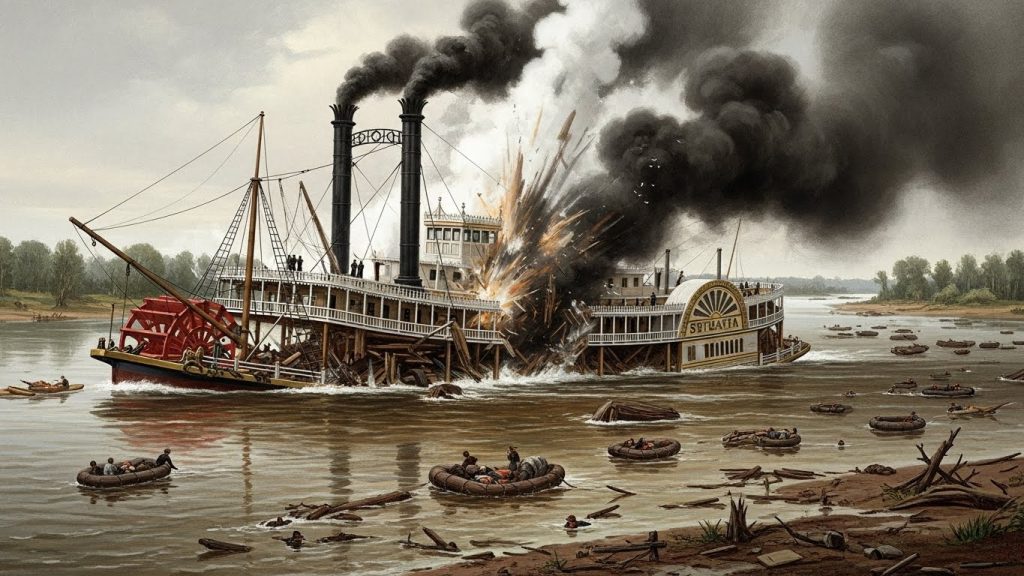
Choosing an American history book can feel overwhelming. So many titles claim to tell the definitive story. You will find everything from huge multi-volume sets to focused studies. Each one offers a unique view of the United States. This nation is a grand and often turbulent experiment. Your goal is not to find the single best book. Instead, look for the one that matches your curiosity. Are you interested in the Founding Fathers? Maybe you want to learn about westward expansion or the fight for civil rights. Exploring this library of the past is your first step to understanding the present.
Start with Your Own Curiosity
Before you look at a single book, take a moment to think. What part of history captures your imagination? Does the spirit of the American Revolution draw you in? Perhaps you are more interested in the Industrial Age and the Gilded Age. You might not want a simple timeline. Maybe you prefer a specific theme. This could be the history of technology, immigration, or women’s rights. Knowing what interests you is like having a compass. It will guide you through a mountain of choices and toward a path you truly enjoy.
Your Guide to Choosing an American History Book
Once you know your interest, you can look at the types of history books. Knowing these styles helps you pick a book you will love from start to finish. You will mainly find two kinds: the broad survey and the deep dive.
The Broad Survey: Your Historical Map
The broad survey tries to tell the whole story. These are often single books that cover from colonial times to today. Works by authors like Howard Zinn or Jill Lepore are good examples. They are great for building a timeline in your mind. They connect big events and introduce key people. These books set up the main themes of the American story. However, they can only give a few pages to major events like the Civil War. Think of them as your map. They provide essential direction for more detailed trips later.
The Deep Dive: Exploring a Single Chapter
On the other hand, a monograph focuses on one event, era, or theme. Here you might find a book just about the Salem Witch Trials. Another might cover the building of the Transcontinental Railroad. These books offer rich detail and subtlety that surveys cannot. They make new arguments and put you right in the middle of old letters and documents. If you already know the basic timeline, a great monograph lets you truly know one chapter of history. You learn about all its conflicts and complexities.
The Pivotal Chapter: Engaging with a Civil War Book
No time in American history has more books written about it than the Civil War. Picking a Civil War book is its own special task. This war was not one single event. It was a huge crisis that happened on battlefields, in government rooms, on farms, and in people’s hearts. Your reading approach should match this complex reality.
Choose Your Perspective
First, decide on your point of view. Do you want the top-down view of generals and strategy? You can find that in military histories. Or does the common soldier’s personal story speak to you? Their letters and diaries offer that. Your interest might be away from the armies. You could want to learn about life at home, enslaved people seeking freedom, or President Lincoln’s leadership. Each angle is a door into the same war. But the view inside each door is totally different.
A Powerful Reading Strategy
To really understand the war’s size and impact, try a two-step reading plan. First, read a solid modern history of the entire war. This gives you the main story the causes, big battles, and what happened right after. Next, read a biography of an important person. This could be Lincoln, Frederick Douglass, or Robert E. Lee. Or, read a book focused on one topic, like Black Union soldiers. This pairing shows you how big historical forces met individual lives and choices. It creates a deeper and more human understanding than one book alone.
The Murmur of the Past: Tuning into Muddy River Running
In the end, reading American history is a journey into the nation’s soul. The United States is a country always being made and remade. Its story is one of high ideals and deep failures. It tells of great courage and serious injustice. All of this flows together in one powerful current. Reading history is listening for that constant, complex sound under today’s world.
Listening for the Muddy River Running
This current is the muddy river running of America. It is not a clean, clear stream of simple facts. It is a powerful, churning mix of countless voices and unfinished debates. The “mud” is the tough, painful parts. These are the legacies of slavery, the fight for equality, and clashing ideas for the country. But the same current also holds treasures. These are the founding ideas of freedom, stories of strength and new ideas, and the lasting hope for a better nation. A great history book doesn’t clean up the river. It helps you see where the river comes from and how it moves. You learn how both the mud and the gold have shaped the land we live on now.
The right book is your boat on that river. It lets you start your own trip of understanding. It asks you not to just watch from the shore. It asks you to feel the water’s pull, steer through its twists, and see your own place in its story. When you actively engage with these stories, you join the conversation. You help decide what the river takes with it into the future.