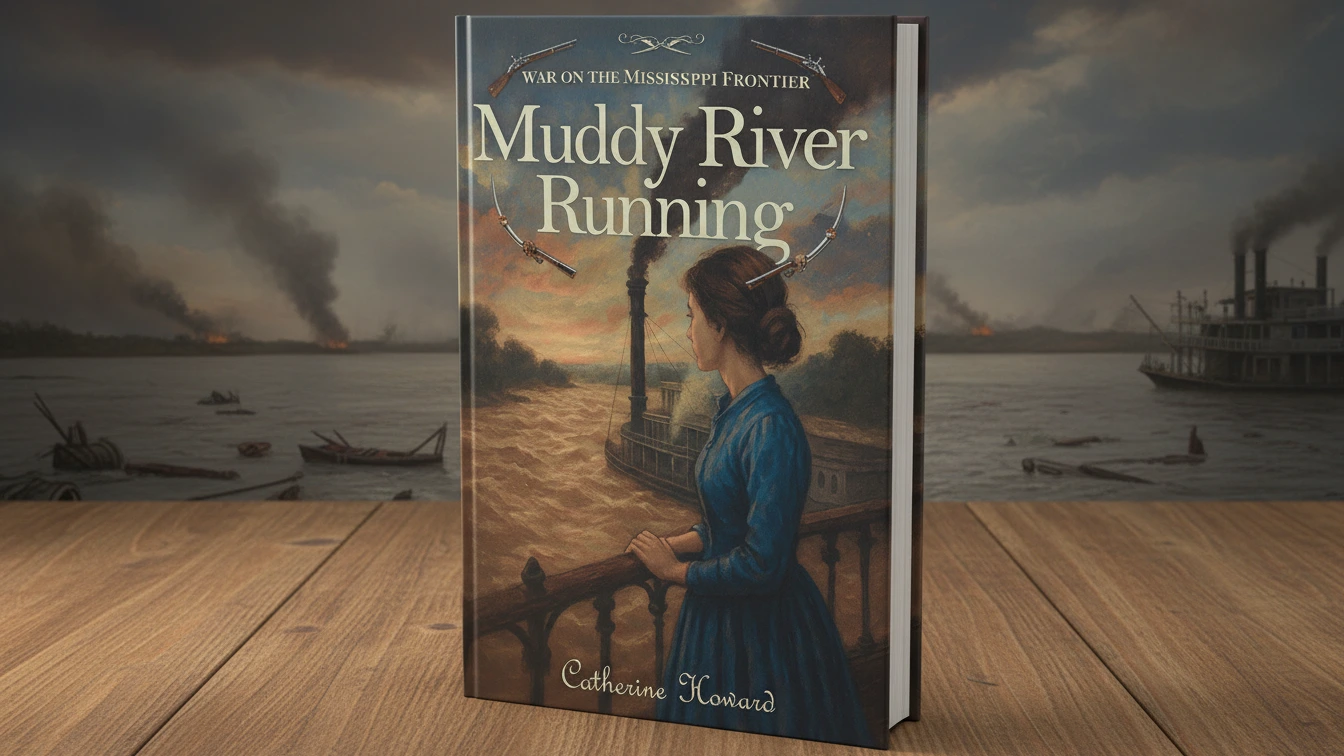
The literary landscape of historical fiction is perpetually enriched by new voices and fresh perspectives on the past. Yet, every so often, a novel arrives that doesn’t just contribute to the genre it redefines it. In 2026, that seismic shift comes from Muddy River Running, a tour de force that has swiftly ascended from a promising release to the uncontested best war book of the year. It’s more than a story of conflict; it’s a profound, unflinching excavation of the human spirit caught in the relentless machinery of war. This isn’t merely a book you read; it’s an experience that reads you, laying bare the complexities of loyalty, survival, and the muddy morality that flows through history’s trenches. For anyone seeking a masterpiece that transcends its time period to speak directly to our present, look no further.
A Defining Work in New Historical Fiction
New historical fiction thrives on its ability to bridge the gap between the then and now, using the tools of modern empathy and contemporary scholarship to illuminate forgotten corners of history. Muddy River Running excels precisely here. Moving beyond the well-trodden battlefields of World War II or the Civil War, it plunges readers into the brutal, often overlooked, Alpine front of World War I. The novel’s genius lies in its microcosmic focus. Through the eyes of its ensemble cast—a cartographer with a shattered conscience, a farmer-turned-sapper, a nurse fighting the dual battles of infection and institutional sexism he grand, impersonal sweep of war becomes intimate and immediate.
This is new historical fiction at its most potent: meticulously researched, but never burdened by its own detail. The mud of the title is almost a character itself sucking at boots, claiming lives, blurring the lines between earth and body. It symbolizes the moral quagmire the characters navigate. The author doesn’t just describe the historical setting; they build a sensory, psychological world you can feel. The chill of the mountain air, the constant drip of the dugouts, the deafening silence after a shelling all are rendered with a visceral clarity that marks a new high for the genre. It proves that the most powerful historical fiction doesn’t just recount events, but resurrects the lived, breathing emotion of a moment lost to time.
Why It Stands Above All New Historical Fiction 2026
The year 2026 has offered a rich harvest of compelling narratives, but Muddy River Running distinguishes itself as the pinnacle of new historical fiction 2026 through its unparalleled narrative architecture and emotional precision. While other books may focus on kings, generals, or sweeping political maneuvers, this novel finds its monumental stakes in the small lives. Its multi-perspective narrative is a masterclass in pacing and tension, with each character’s thread pulling taut against the others, creating a web of interdependence and tragic irony that is breathtaking to behold.
Furthermore, its thematic resonance is sharply contemporary without ever feeling anachronistic. It tackles the erosion of truth in propaganda, the environmental devastation of conflict (the scarring of the Alpine landscape is a silent tragedy throughout), and the complex politics of displacement and refugees. These are not modern ideas clumsily pasted onto a historical backdrop; they are organic, urgent concerns that grew from the soil of its specific time and place, echoing forward to our own dilemmas. In a marketplace of new historical fiction 2026, this novel does not just tell a historical story; it conducts a profound dialogue between 1917 and 2026, asking timeless questions about what we owe to our land, our comrades, and our own souls when empires crumble.
The Unmissable Historical Fiction Book 2026
To call Muddy River Running just another Historical fiction book 2026 would be a dramatic understatement. It is the benchmark. What cements this status is its author’s fearless approach to the psychological reality of war. There are moments of breathtaking, raw courage here, but they are never glorified. More often, we witness the fragile, human responses: the paralyzing fear, the moral compromises made for an extra day of life, the surreal humor that blooms in the dankest places. The combat sequences are not cinematic set-pieces but chaotic, confusing, and terrifying episodes that leave the reader as disoriented and traumatized as the characters.
The prose itself is a character in this achievement. It shifts fluidly from the stark and laconic to the unexpectedly lyrical, often within the same paragraph. A description of dawn breaking over a ravaged valley might be followed by a terse, devastating exchange between soldiers. This stylistic control mirrors the cognitive dissonance of war the enduring beauty of the world persisting alongside unimaginable horror. For critics, scholars, and most importantly, for readers seeking the one Historical fiction book 2026 that will linger in their minds for years to come, this is the definitive text. It doesn’t entertain; it immerses, challenges, and ultimately transforms.
Conclusion: A Legacy Forged in Mud
Muddy River Running is not simply the best war book of 2026; it is a landmark achievement in historical fiction. It captures the essence of what makes the genre vital: the ability to harness the truths of yesterday to illuminate the complexities of today. It is a painful, beautiful, and utterly necessary read. By masterfully blending impeccable research with profound characterization and themes that crackle with contemporary relevance, it sets a new standard. So, if you read only one historical novel this year, let it be this one. Wade into its muddy waters. You will emerge on the other bank changed, with a deeper understanding of the cost of history and the indomitable, flawed, and beautiful human spirit that persists, against all odds, to keep running.